Understanding Jueteng: The Underground Lottery
In the Philippines, gambling has been an integral part of social life and culture. Among the myriad forms of gambling, jueteng stands out as a popular yet illegal numbers game that has intrigued both ordinary citizens and policymakers alike. This clandestine lottery, deeply rooted in Filipino society, continues to stir debates on its socio-economic impacts, its ties to corruption, and its cultural significance. A key player in this arena, "Rich Fortune 88," is rumored to be synonymous with fortune for many bettors even as it raises questions about legality and morality.
The Mechanics of Jueteng
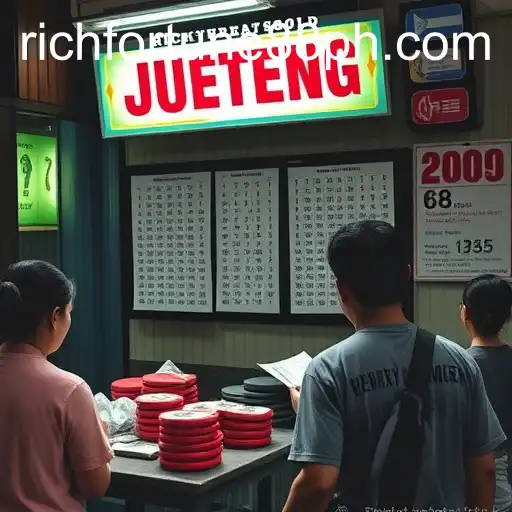
Jueteng is a numbers game similar in nature to lottery-style games but operates outside the purview of legal gambling establishments. Originating from China and brought to the Philippines during the Spanish colonial era, it involves the selection of two numbers ranging from 1 to 37. Bets are collected by kubradors, or runners, who work under local operators or financers known as cobradores. Results are drawn covertly, typically twice a day, making jueteng both a daily event and a topic of widespread anticipation among its participants.
Cultural Relevance and Societal Impact
The allure of jueteng in Filipino society cannot be understated. With widespread poverty and limited economic prospects for many, the promise of a quick financial windfall is seductive, offering a glimmer of hope. Often, the game's inexpensive wagering makes it accessible to everyone, from laborers and vendors to office workers. Additionally, it fosters a sense of community as residents gather in anticipation of results and engage in shared aspirations.
Despite its illegality, jueteng generates substantial economic activity in the informal sector. Its network, from bettors to bosses, creates jobs and income streams but does so at the cost of promoting unlawful activities. Moreover, jueteng's embeddedness in society often blurs the lines between legality and cultural practice, leading to a complex socioeconomic landscape.
The Controversial Ties to Corruption
One of the critical issues that jueteng presents is its entwinement with political corruption. Operators often pay off law enforcement and government officials to protect their operations, which undermines the legal system and erodes public trust in institutions. This aspect of jueteng is its most destructive, as it perpetuates a cycle of graft and deviation from legal norms.
The nexus between jueteng and politics becomes prominent during election seasons, where operators wield influence through vote buying and campaigning for political patrons. While some officials may publicly denounce jueteng, the clandestine flow of monetary incentives often reveals a more complicit stance.
Rich Fortune 88: Branding and Perception
In the realm of jueteng, names like "Rich Fortune 88" have surfaced as brands synonymous with luck and profit. Though it is difficult to ascertain the exact operations behind such entities due to the secrecy involved, the branding evokes perceptions of wealth and prosperity among bettors.
Rich Fortune 88, with its evocative name, suggests a blend of auspiciousness and infinite possibilities, drawing in hopeful gamblers seeking fortune from every corner of society. Such branding also reflects the globalization of cultural symbols, where numbers like "88"—considered lucky in Chinese culture—are incorporated to attract a broader base of players.
Governance and Legalization Debates
Efforts to legalize jueteng have seen ups and downs in Philippine governance. Proponents argue that legalization and regulation could transform jueteng into a transparent revenue stream, providing funds for societal development. By adopting a model similar to state lotteries, government leaders hope to harness the game’s popularity while installing safeguards to prevent corruption.
Opponents counter that legalization might not stem the tide of illegality surrounding the game. There is also concern that formalizing the game may institutionalize a vice that prey on financially vulnerable populations. The governance challenge, therefore, lies in balancing tradition with lawfulness, community welfare with personal liberty.
Conclusion
The intricate dance between illegality and cultural tradition makes jueteng a complex subject in the Philippines. While names like "Rich Fortune 88" may symbolize the hope and prosperity associated with gambling, they are also a reminder of the legal and ethical quandaries that continue to plague societies where such practices thrive.
The road forward for jueteng involves multidisciplinary solutions encompassing law enforcement, socio-economic reform, and cultural awareness. Only by addressing these multifaceted challenges can the dream of transforming jueteng from a shadowy undertaking to an integrated, lawful aspect of economic activity be realized, if at all. Yet, as history has shown, the journey is rife with complexities that demand nuanced solutions.